
/english-speech-assessment

English speech assessment and pronunciation scoring for EdTech

Turn learner speech into structured feedback that a tutor, coach or voice agent can use immediately. Chivox evaluates the whole utterance and preserves the phoneme-level evidence needed for precise, helpful correction.

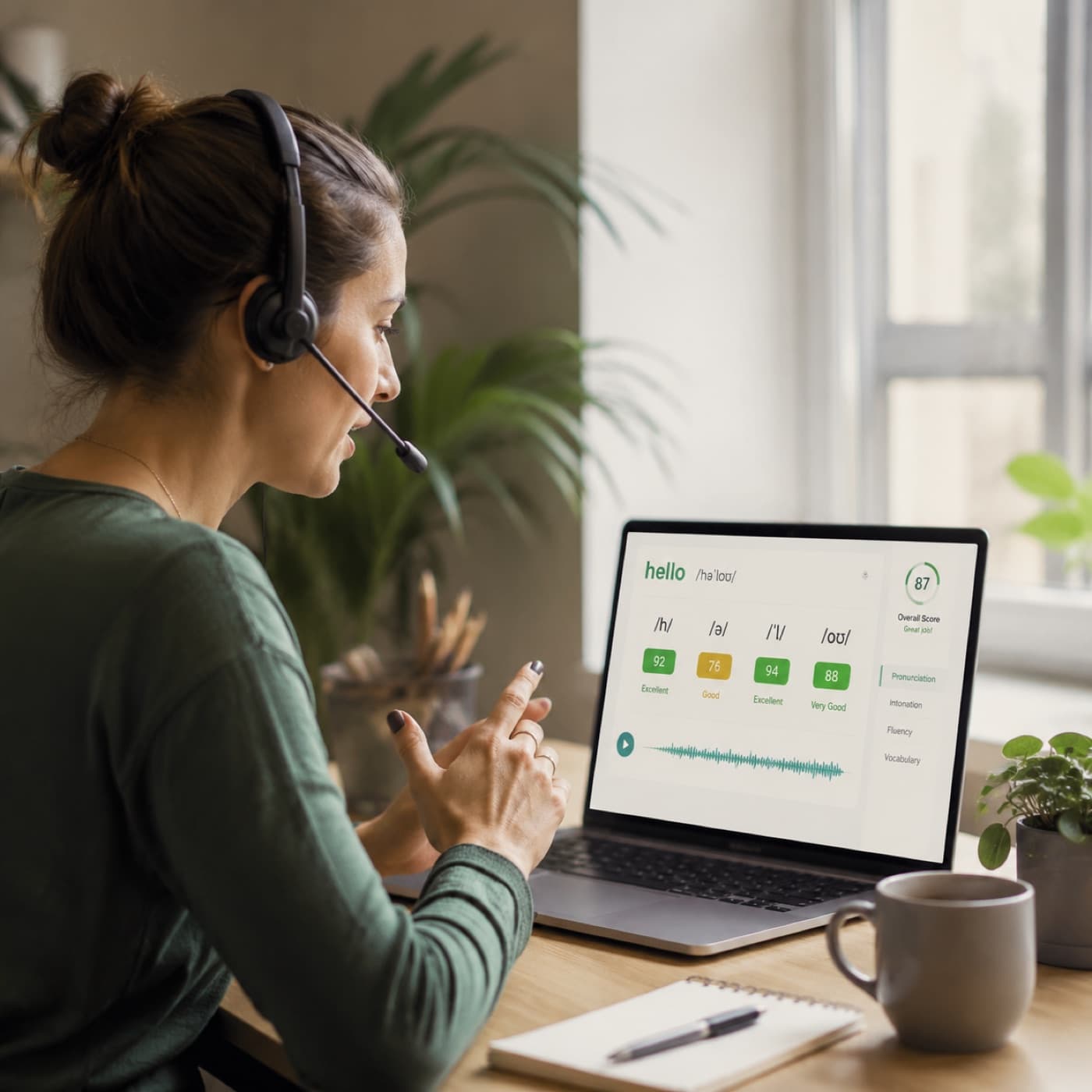
A learner practicing English pronunciation aloud at a laptop
Phoneme-level accuracy
Score pronunciation, fluency and stress down to individual phonemes.
Phoneme
diagnostic detail
Word → passage
assessment range
API + MCP
integration choices
Adult English learner reviewing phoneme-level pronunciation highlights on a laptop
/What you can score

Feedback that goes beyond a single percentage

A useful learning experience needs to explain what happened, not merely return a pass or fail.

  • Pronunciation accuracy at utterance, word and phoneme level
  • Fluency, speaking rate, pauses, rhythm and stress signals
  • Structured error locations for targeted learner feedback
  • Audio-quality indicators that help separate speech errors from recording issues
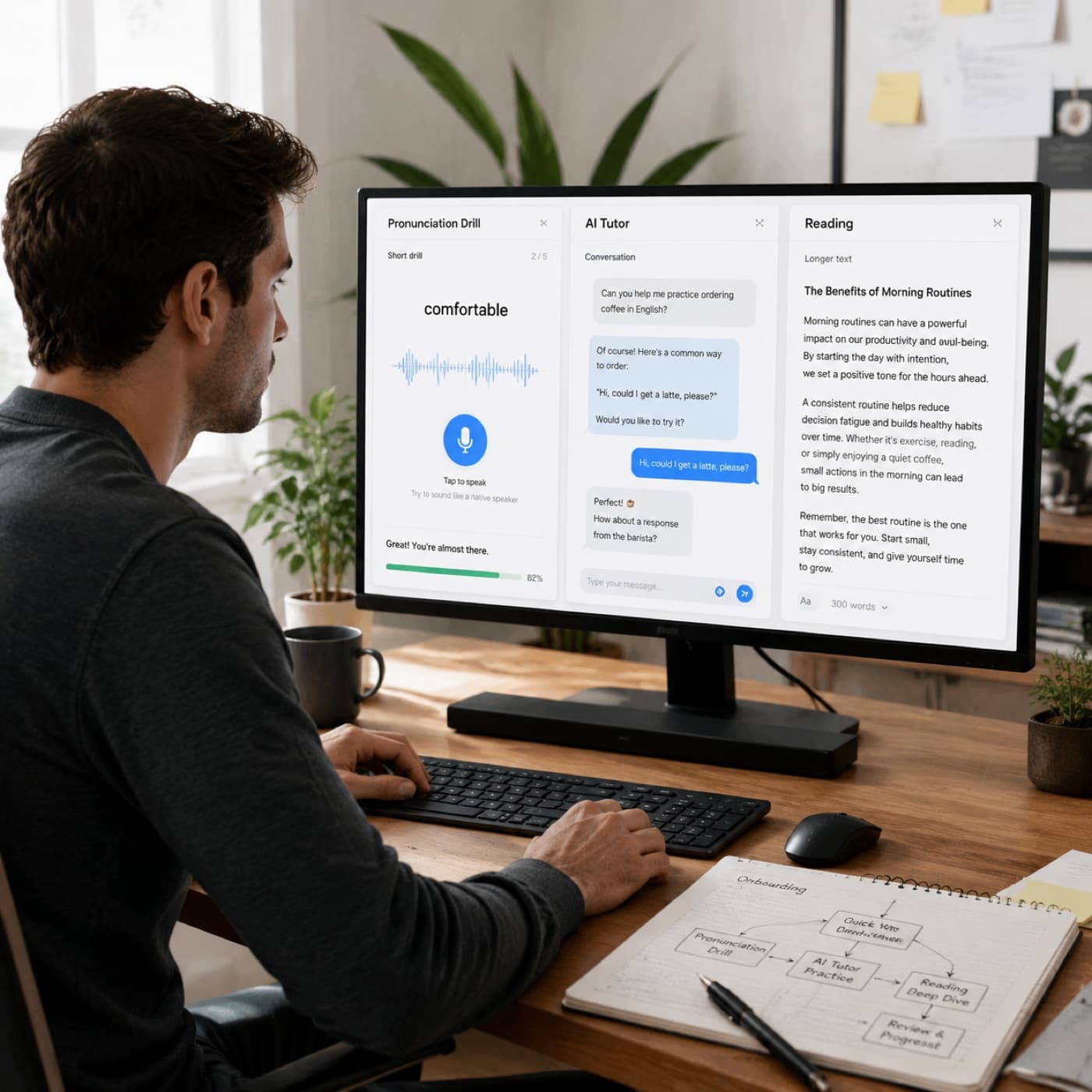
Language product designer comparing drill, tutor and reading practice flows on a large monitor
/For product teams

One engine for practice, tutoring and assessment flows

Use the same assessment layer across short drills, guided conversation and longer reading tasks while keeping your product experience consistent.

  • AI language tutors and pronunciation coaches
  • Reading, speaking and exam-preparation practice
  • Voice-agent quality checks and conversational feedback
  • Focused retries that keep the learner inside the conversation
  • Learner progress views built from stable structured fields
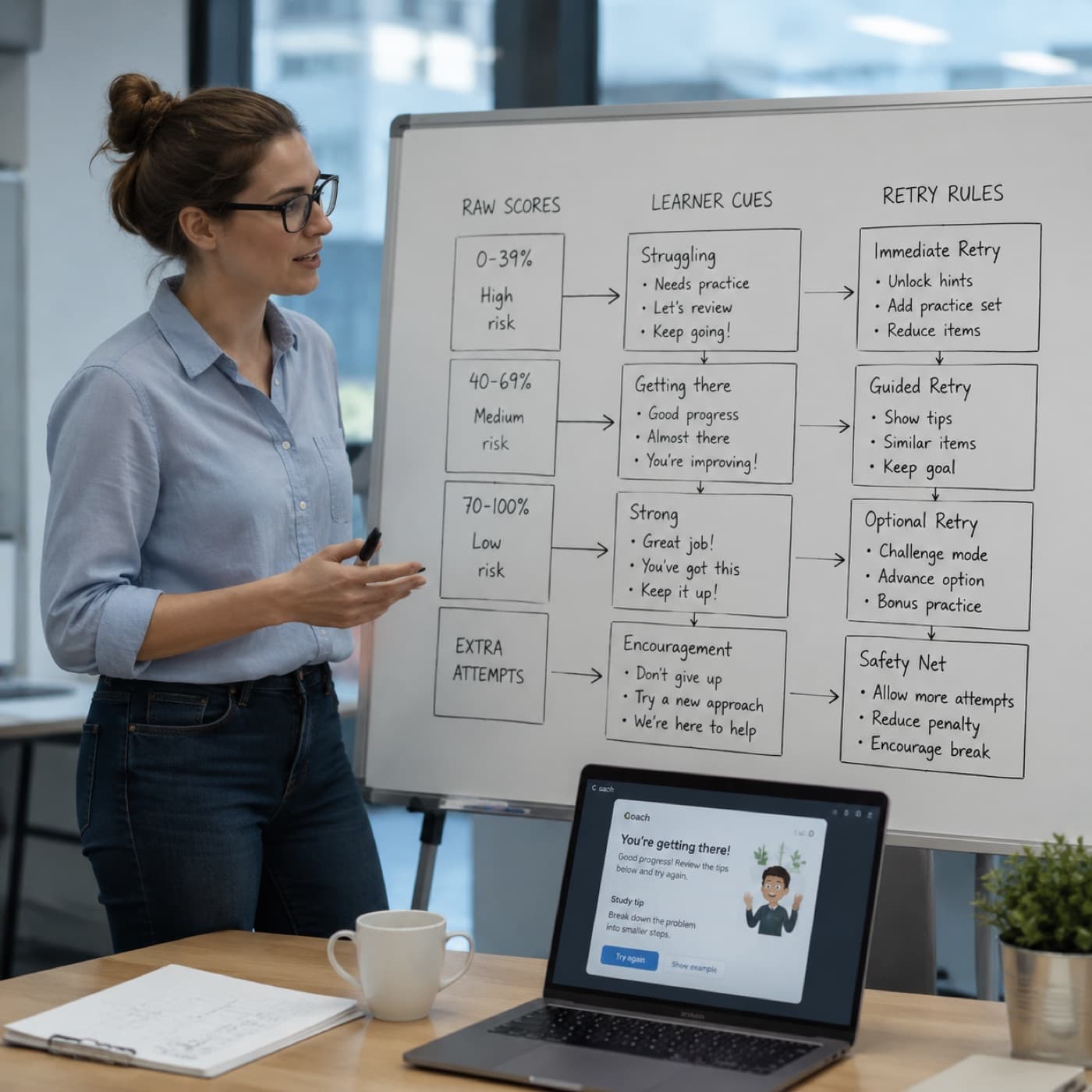
Product engineer mapping assessment scores to learner-facing coaching cues on a whiteboard and laptop
/Integration

Keep your pedagogy and interface in control

Chivox returns evidence. Your application decides how much feedback to show, when to retry and how an LLM should explain the result.

  • Call through MCP or your existing service workflow
  • Map scores to your own levels, rubrics and lesson logic
  • Use the detailed payload for explanations without exposing raw complexity to learners
  • Keep assessment stable while prompts, lessons and interface copy evolve independently
  • Add safeguards for low-quality audio and incomplete attempts
/A real product moment
Illustrative walkthrough

From “think” to one correction the learner can act on

Imagine a B1 learner reading “I think the train leaves at three.” The sentence is understandable, but the first sound in “think” is consistently replaced with /s/. The product does not need to interrupt the whole sentence or show six scores.

Learner says
“I sink the train leaves at three.”
Attempt → evidence → next action
01
Target
think · /θɪŋk/

Expected voiceless dental fricative at the start.

02
Detected
/θ/ scored 54

The remaining sounds and sentence rhythm are usable.

03
Priority
Coach one sound

Pronunciation is more useful to address than pace on this turn.

Tutor can respond
“Almost there. For think, let a little air pass over the tip of your tongue: th-ink. Try just the word once, then we’ll put it back in the sentence.”

Implementation note. The score identifies the location; your lesson rules and tutor voice decide the explanation, retry length and success threshold.

/show-not-tell

See the phoneme, not only the score

Word and phoneme rows preserve the exact evidence a tutor needs to explain an error, while fluency fields help the product decide whether to coach pace, pauses or pronunciation first.

result.json · English
{
  "overall": 85,
  "pron": 88,
  "fluency": { "overall": 78, "speed": 65, "pause": 2 },
  "details": [{
    "char": "think",
    "score": 72,
    "phone": [
      { "phoneme": "θ", "score": 54, "dp_type": "mispronounced" },
      { "phoneme": "ɪ", "score": 86, "dp_type": "normal" },
      { "phoneme": "ŋk", "score": 83, "dp_type": "normal" }
    ]
  }]
}
/workflow

From spoken attempt to one useful correction

Keep the scoring detailed behind the scenes while the learner receives a clear, product-specific next step.

  1. 01
    Step 1
    Capture learner speech
  2. 02
    Step 2
    Assess pronunciation and fluency
  3. 03
    Step 3
    Return structured evidence
  4. 04
    Step 4
    Generate product-specific feedback
/questions

Common implementation questions

Can the assessment support more than isolated words?

Yes. The product can be designed for word, sentence and longer speaking or reading tasks, with the response depth matched to the activity.

Does the learner have to see every score?

No. Most products translate the detailed response into a smaller set of age- and task-appropriate coaching cues.

How should we choose a retry threshold?

Start with the learning objective, activity length and your own learner audio. A short pronunciation drill can use a tighter threshold than open speaking, while low-quality or incomplete audio should trigger a recording retry before a pronunciation correction.

/contact

Let’s build your voice agent together.

Tell us what you’re building. We’ll reply within one business day with pilot credits, pricing, or a deployment plan — whichever you need first.