
/mcp-server

Pronunciation MCP server for voice AI and language agents

Give an agent access to speech assessment as a tool instead of embedding pronunciation logic in every prompt. The MCP server returns structured evidence your orchestration layer can inspect, explain and act on.

A developer integrating the Chivox assessment MCP at a workstation
Structured JSON, agent-ready
One tool layer returning deterministic scores for any MCP client.
One tool layer
for agent workflows
Zh + En
assessment coverage
Structured JSON
reasoning-ready output
/Agent-native

Make speech assessment callable

The agent selects an assessment tool, supplies the audio and reference context, then receives a result designed for downstream reasoning.

  • Use with MCP-compatible clients and custom agent loops
  • Return pronunciation, fluency and audio-quality evidence together
  • Keep tool responses deterministic while letting the LLM handle explanation
  • Reuse one integration across tutoring, coaching and QA scenarios

Developer IDE showing an MCP agent calling a speech-assessment tool and receiving structured scores
/Developer control

Clear responsibilities at every layer

Chivox scores speech, your application enforces product rules, and the LLM turns approved evidence into a useful response.

  • Validate input and choose the correct language or task mode
  • Apply score thresholds outside the model prompt
  • Log tool activity and handle timeouts or low-quality audio
  • Keep user-facing responses grounded in returned fields
Whiteboard sketch of scoring, product rules and LLM explanation layers next to a laptop
/From trial to production

Prototype quickly without hiding day-two concerns

The quickstart is intentionally small, while the surrounding runtime covers authentication, usage controls, observability and deployment choices.

  • Start with the live demo and documented sample payload
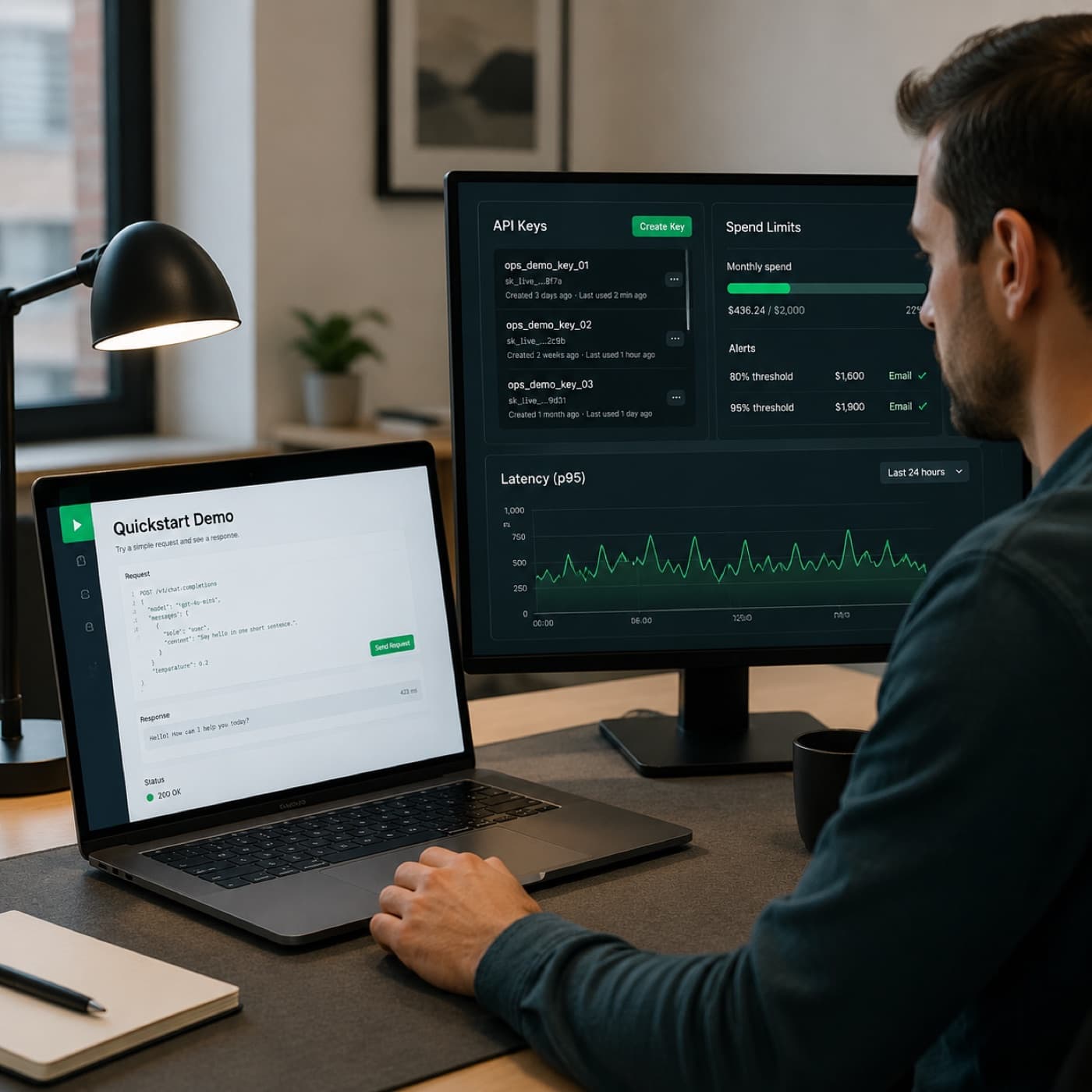
  • Add API keys, spend limits and alerts before broad rollout
  • Test representative accents, devices and network conditions
  • Use the runtime guide for operational decisions
Ops dashboard with API keys, spend limits and latency charts beside a laptop running a quickstart demo
/choose-your-integration

MCP server or function calling?

Both use the same Chivox speech-assessment capability. The right choice depends on where the tool should live and how much of the agent loop your application controls.

Current page · MCP server
CompareMCP server

Standardized tool layer for compatible clients.

Function calling

Typed function inside your own agent stack.

Best-fit scenarioExpose the same speech tools to MCP-compatible clients and agent environments.Add speech assessment inside a custom voice agent or an existing LLM workflow.
Best-fit teamsDeveloper-tool teams, platform teams, and products supporting several MCP clients.Voice-agent teams, AI application engineers, and product teams with their own orchestration layer.
Integration styleConfigure one standardized MCP server that publishes discoverable assessment tools.Define and invoke a typed function contract in your chosen model or agent SDK.
PortabilityHigher across compatible MCP clients; the tool definition stays consistent.Depends on the provider or framework, but fits deeply into a custom application loop.
Application controlThe client discovers and calls tools while your server controls assessment behavior and output.Your application directly controls validation, routing, retries, thresholds, and response handling.
Choose it when…You want the fastest reusable path into MCP ecosystems or need one tool layer for several clients.You already own the agent loop and need precise control over when and how assessment runs.
You can support both: use MCP for compatible clients and function calling inside your proprietary agent, while keeping one shared assessment service underneath.
/show-not-tell

One config block. Every MCP client.

Paste this into Cursor, Windsurf, Zed or any client that speaks streamable HTTP — nothing to install. Your LLM immediately sees all 16 assessment tools and starts getting structured scores back.

mcp.json
{
  "mcpServers": {
    "chivox": {
      "type": "streamable-http",
      "url": "https://mcp-global.cloud.chivox.com",
      "headers": { "Authorization": "Bearer <your_api_key>" }
    }
  }
}
/workflow

One tool call, with clear responsibility at each layer

The model chooses the tool, Chivox returns deterministic speech evidence, and your application controls the approved response.

  1. 01
    Agent chooses a speech tool

    The MCP client discovers 16 assessment tools and picks the one that fits the turn — no routing code on your side.

  2. 02
    Chivox assesses the audio

    Pronunciation, fluency and integrity are scored against the reference text, with per-word and per-phoneme detail.

  3. 03
    MCP returns structured evidence

    The result is deterministic JSON: the same audio and reference always produce the same fields.

  4. 04
    Agent produces grounded feedback

    The LLM explains only the fields your application approves — thresholds stay in your product logic.

/questions

Common implementation questions

Does MCP replace the assessment API?

MCP is an agent-friendly integration layer around the assessment capability. Teams can choose the integration pattern that best fits their architecture.

Can the result be used by any LLM?

The response is structured data. Your orchestration layer can pass selected fields to the model or use them in deterministic product logic.

/contact

Let’s build your voice agent together.

Tell us what you’re building. We’ll reply within one business day with pilot credits, pricing, or a deployment plan — whichever you need first.