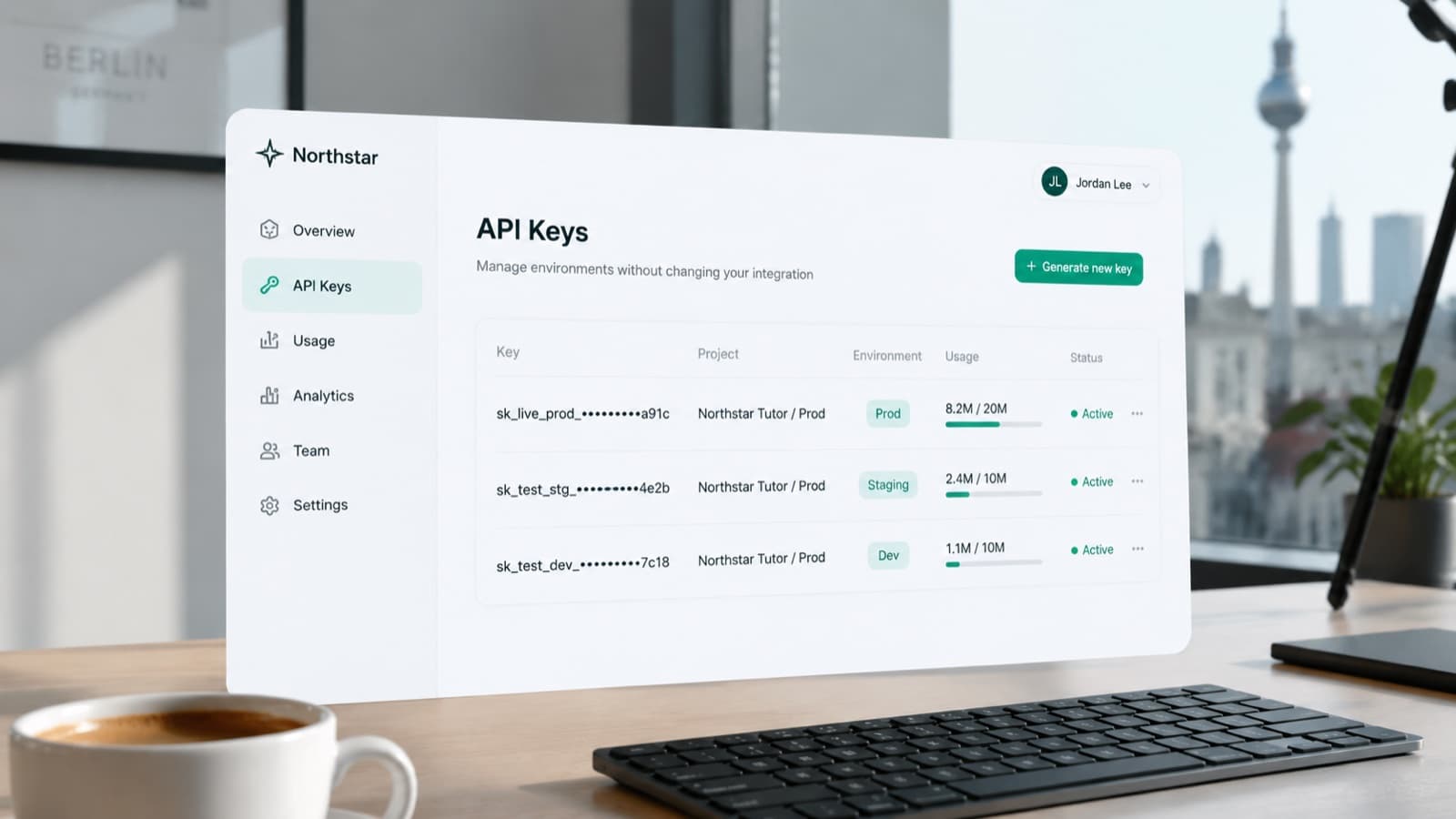
Separate environments without changing your integration
Use scoped keys for development, staging, and production. Rotate access safely while every environment keeps the same endpoint and response contract.
Manage environments, protect usage, monitor performance, and meet privacy requirements with production controls built around the same assessment API.

Separate environments, enforce limits, and route alerts without rebuilding the integration or adding a second operations stack.

Use scoped keys for development, staging, and production. Rotate access safely while every environment keeps the same endpoint and response contract.

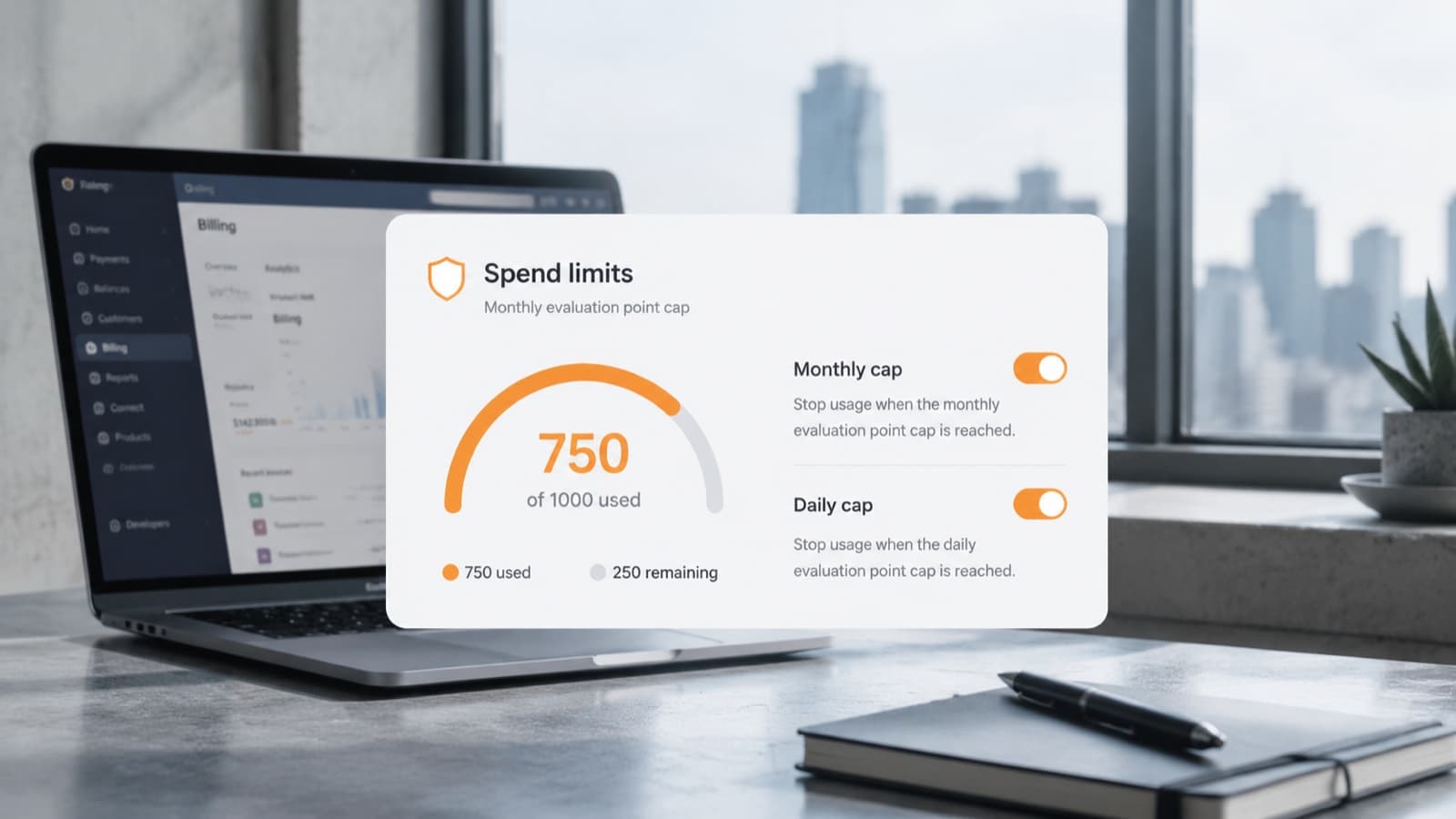
Assign a monthly cap to each key. When a limit is reached, the API returns a structured 429 so your product can degrade gracefully.

Notify engineering and operations by email or webhook as usage approaches a limit, leaving time to investigate, increase capacity, or adjust traffic.
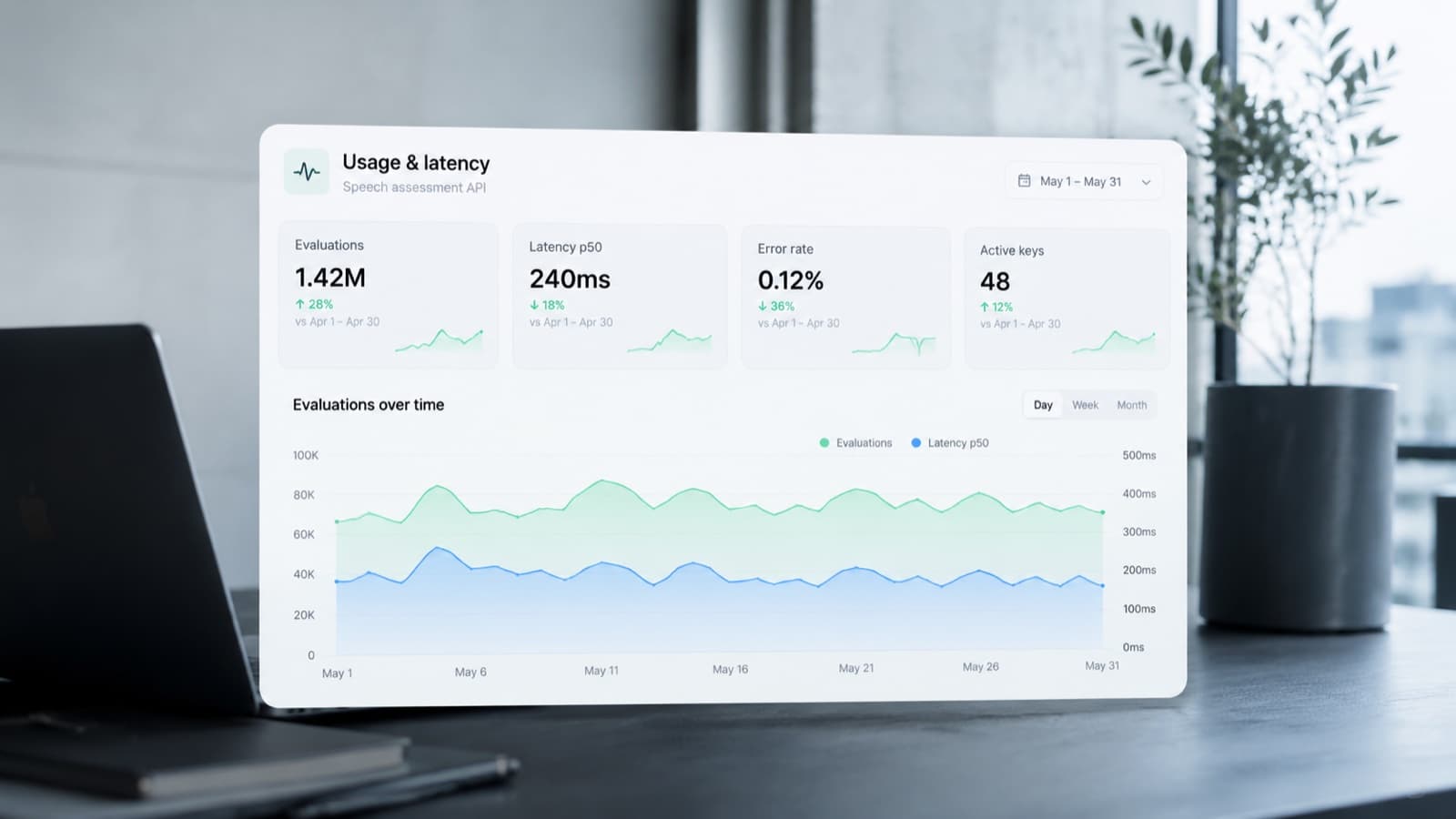
Track usage by key, inspect latency and error reasons, and understand which tools are driving traffic from the dashboard or export API.

Keep audio ephemeral while relying on a runtime already operating at billions of evaluations per year.

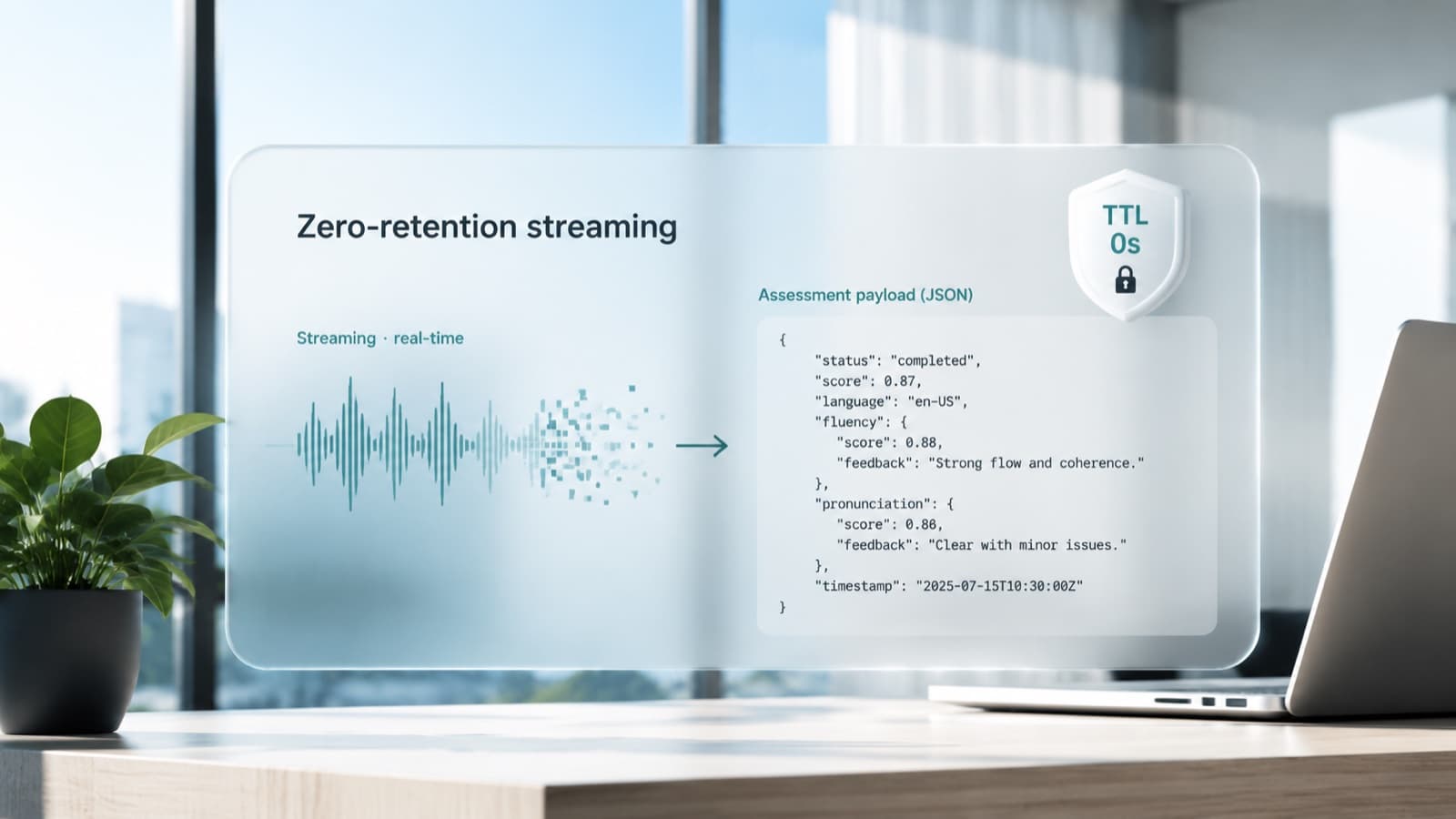
Audio is scored in memory, never used for training, and not stockpiled by the scoring runtime.

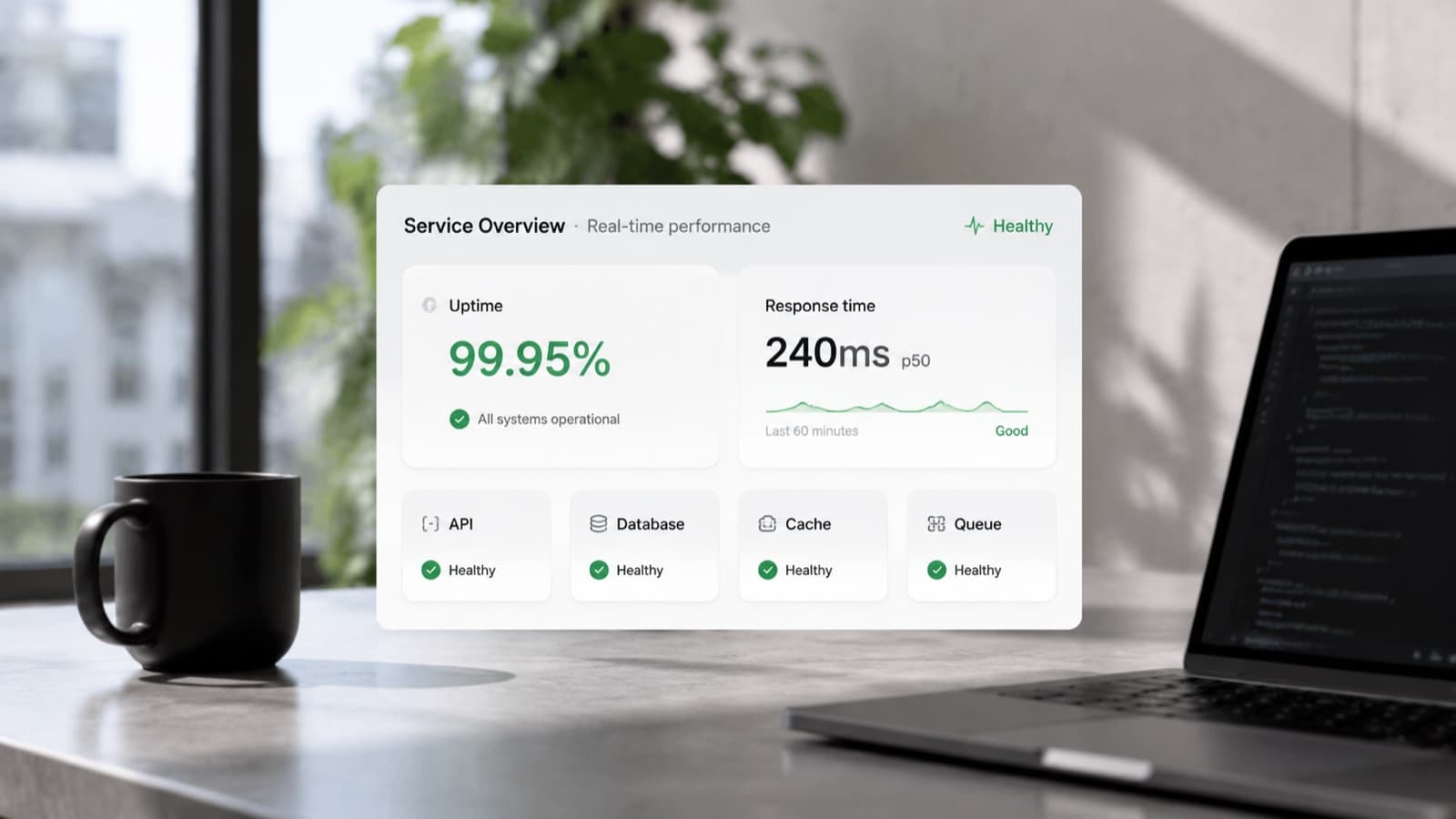
9.2B+ evaluations per year, p50 latency of 240 ms, and a 99.95% uptime SLA on the enterprise tier.
Yes. Each key can have its own monthly limit and environment scope. When the hard cap is reached, calls return a structured 429 response instead of failing ambiguously.
Streaming audio is scored in memory and is not retained for model training. Your application receives structured assessment JSON without creating an additional stored audio copy in the scoring runtime.
The dashboard shows per-key usage, latency percentiles, tool breakdowns, and error reasons. Teams can also export usage data through the API and route threshold alerts through email or webhooks.
Start with free credits, or talk with the team about volume, security, and enterprise SLA requirements.